
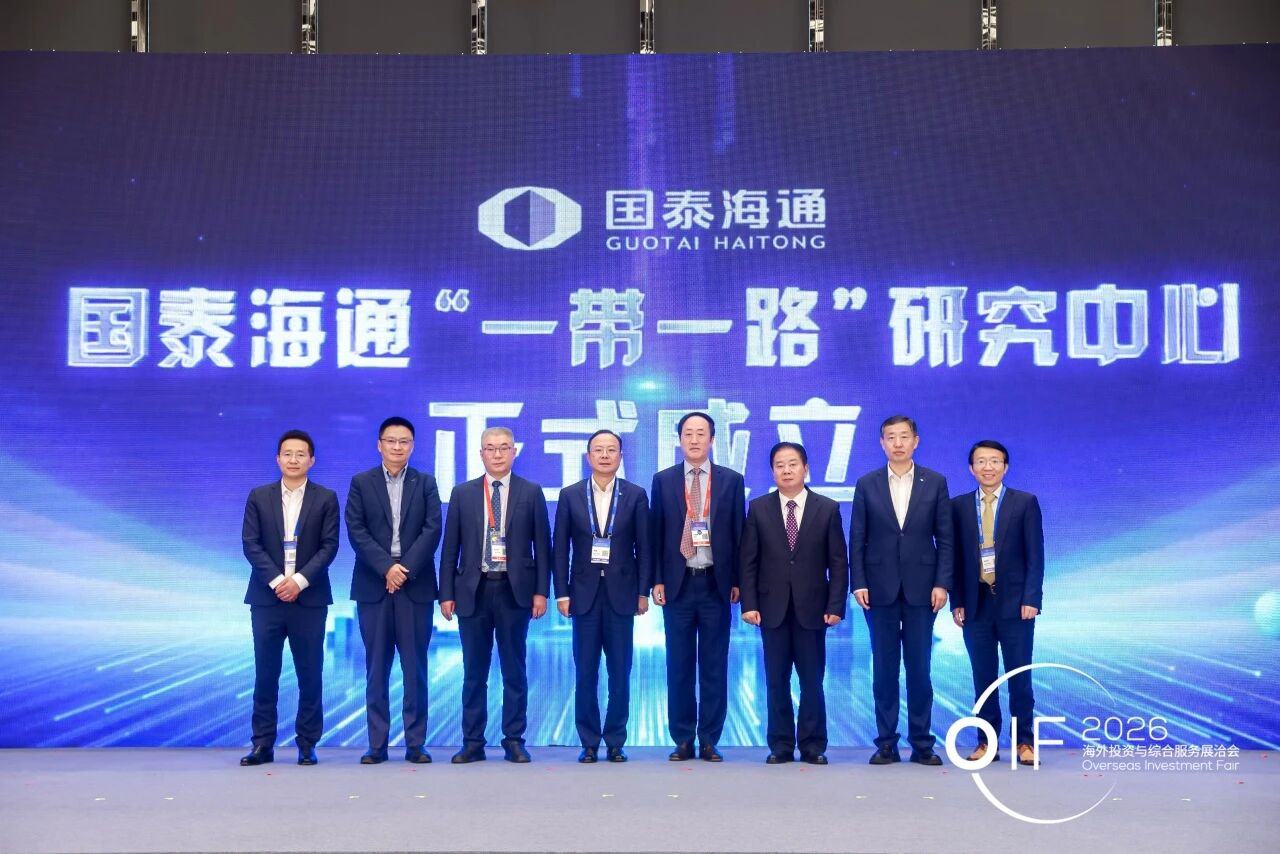
“In the past, Hong Kong has served primarily as a…
President's column
Home > News
From “Super-Connector” to “Super Value-Adder”
Time:2026-06-02 Source:大灣區進出口商業總會
“In the past, Hong Kong has served primarily as a ‘super-connector’ linking the Chinese mainland and the world; going forward, we aim to become a ‘super value-adder’—not just connecting, but also creating value,” stated Lin Long’an, Member of the National Committee of the Chinese People’s Political Consultative Conference (CPPCC) and President of the Greater Bay Area Import and Export Commerce Association, in an interview.
In Lin’s view, this shift is not merely an upgrade in terminology but a substantial transformation of functions. With Hong Kong’s first local five-year plan set to be unveiled and the “Mainland Enterprises Going Global Task Force” operating on a regular basis, Hong Kong will evolve from a mere channel for capital and goods flows into a platform offering end-to-end services for enterprises. “Simply put, it’s a transition from ‘helping you cross the bridge’ to ‘helping you go further and more steadily,'” he explained.
With 26 years of in-depth experience in the import and export industry, Lin has a firsthand understanding of this transformation. He noted that import and export trade is not only Hong Kong’s traditional strength but also a crucial lever for integrating into the country’s “dual circulation” development pattern. “Trade acts as both an ‘interface’ and an ‘amplifier,’ connecting the industrial advantages of the Chinese mainland with international market demand.”
Data corroborates this view. In 2025, the foreign trade volume of the nine mainland cities in the Guangdong-Hong Kong-Macao Greater Bay Area continued to rise, with total imports and exports reaching 9.15 trillion yuan, a year-on-year increase of 4.7%, accounting for 20.1% of China’s total import and export value—an all-time high. Hong Kong, leveraging its strengths in finance, shipping, and logistics, has further consolidated its position as an international trade hub. Additionally, the cross-border e-commerce scale of the Greater Bay Area’s “9+2” cities surpassed 1.1 trillion yuan last year, with notable advantages in exports of electronics and smart home products. “These impressive figures reflect the upgrading of Hong Kong’s role,” Lin said. “We are not just connectors, but continuous creators of added value.”
What does this “value addition” entail specifically? He offered a clear answer: professional services.
Legal, accounting, consulting, intellectual property, risk management—these seemingly “behind-the-scenes” services have become critical support for enterprises “going global.” Especially in Belt and Road Initiative (BRI) partner countries and RCEP member markets, where regulations are complex and environments volatile, enterprises acting alone often face high costs and significant risks.
“Hong Kong’s advantage lies in its familiarity with international rules and understanding of mainland enterprises’ needs, enabling it to provide comprehensive solutions,” Lin explained. For example, establishing an international framework and conducting compliance reviews through Hong Kong can mitigate market access risks in advance. Utilizing Hong Kong’s mature financial system, enterprises can access cross-border capital pools, offshore financing, and even green finance support, addressing questions of “where the capital comes from and how it flows safely.”
In his view, this encapsulates the core capability of a “super value-adder”—not just facilitating transactions, but enhancing their quality.
Looking ahead, Lin repeatedly emphasized a key term: “going global in groups.”
“Individual enterprises face significant challenges when going global. But by integrating resources through Hong Kong’s platform, they can build collective strength,” he said. Leveraging the industrial foundation of the Greater Bay Area’s “9+2” city cluster and Hong Kong’s international service capabilities, a new model for global expansion can be forged—enterprises forming groups, services following suit, and risks shared collectively.
In recent years, Lin has led efforts to integrate resources from import and export chambers of commerce across the Greater Bay Area’s “9+2” cities, promoting the establishment of a cross-regional cooperation platform—an embodiment of this vision. “Our goal is clear: to fully utilize Hong Kong’s strengths and unite the power of the Greater Bay Area.”
Against the backdrop of a complex and volatile global trade environment, this “upgraded connectivity” is particularly vital. Lin believes that during the 15th Five-Year Plan period, Hong Kong’s unique advantages will not diminish but become even more prominent.
From a “bridge” to a “value-adder,” from “connecting the world” to “empowering the world,” Hong Kong is quietly undergoing a role transformation. For Lin, this represents both an opportunity granted by national development and an imperative for Hong Kong to seize. “By fully leveraging our strengths, Hong Kong will undoubtedly achieve great things during the 15th Five-Year Plan period.”
Source: CPPCC News
https://share.rmzxw.net.cn/article/6547357/5.html?t=1774923907&sign=31756e67eba8bb68a485c5e427bd8c33
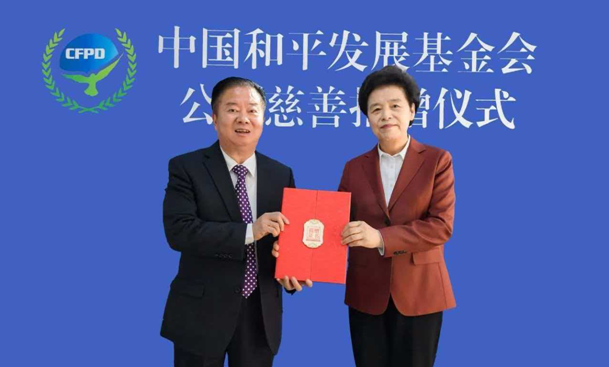
Lin Long’an Donates RMB 3 Million to Public Welfare and Peace Development
“In the past, Hong Kong has served primarily as a…
News
GBAIEA
 2025-12-30
 2025-11-21
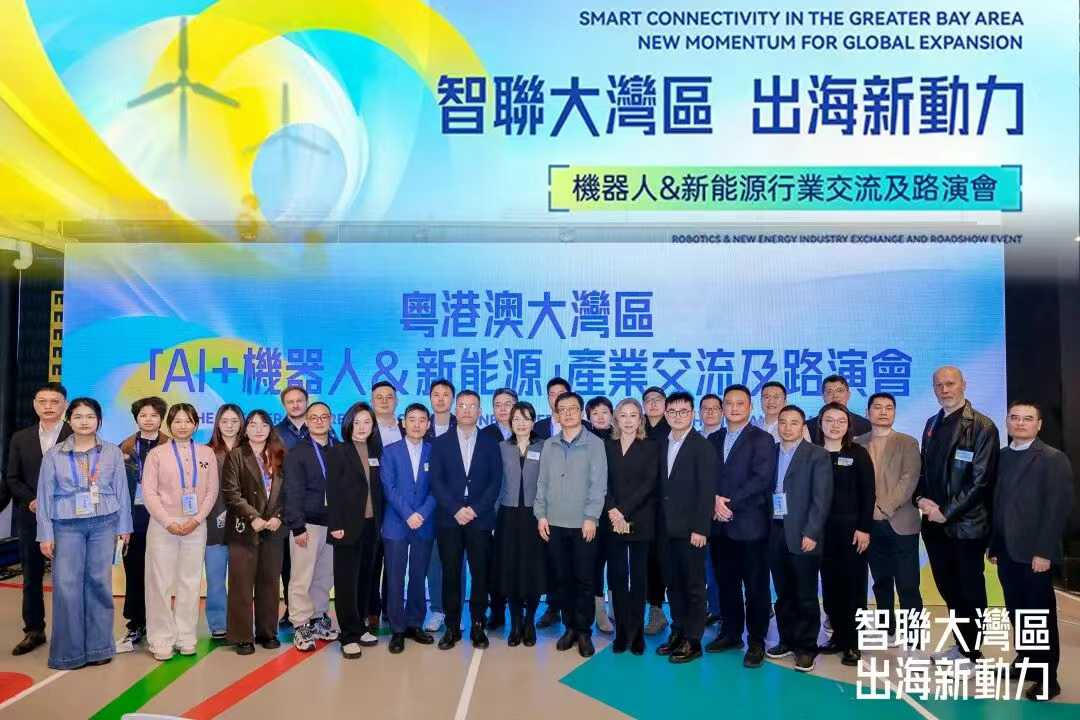
11月20日,大湾区进出口商业总会联合华润创业建设投资有限公司主办,广东省商务厅驻香港经济贸易代表处协办,广东…