
At ports and terminals across China, a familiar scene o…
Import and export data Industry news
Home > News
Industry News | First 7 Months of 2026: China’s Foreign Trade Surpasses RMB 30.13 Trillion, High-Tech Exports Drive Nearly 60% of Export Growth
Time:2026-08-13 Source:大灣區進出口商業總會
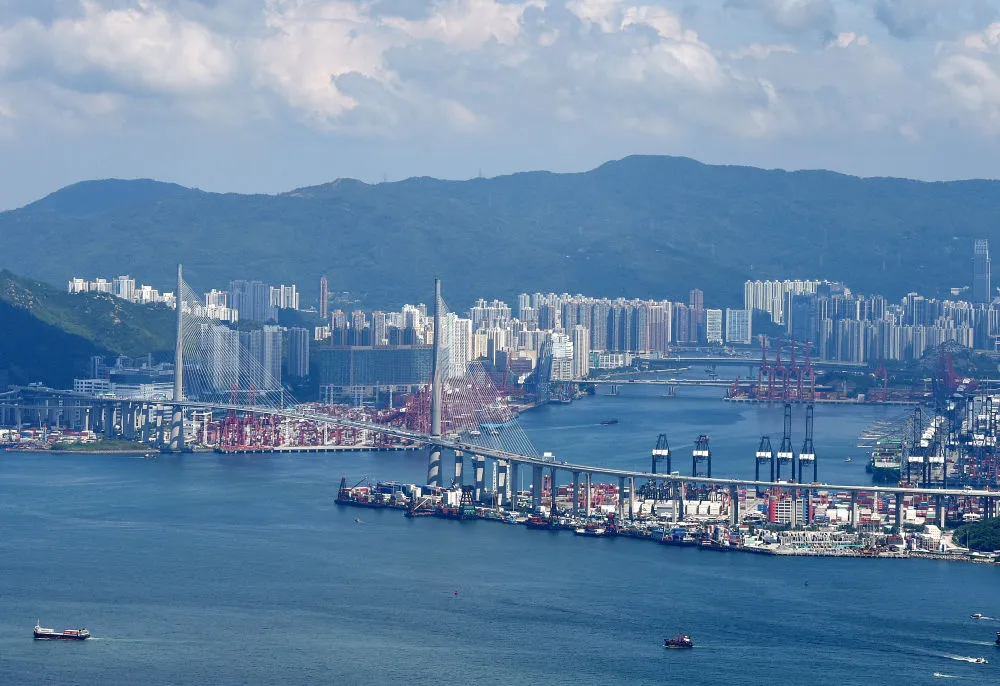
At ports and terminals across China, a familiar scene of brisk activity unfolds: new-energy vehicles lined up ready for shipment, industrial robots and smart equipment being neatly containerized, wind-power components loaded onto vessels. Batch after batch of “Made in China with Intelligence” heads overseas, bringing the world more “new” and “green” elements—a vivid footnote to “China Opportunity 2.0.”
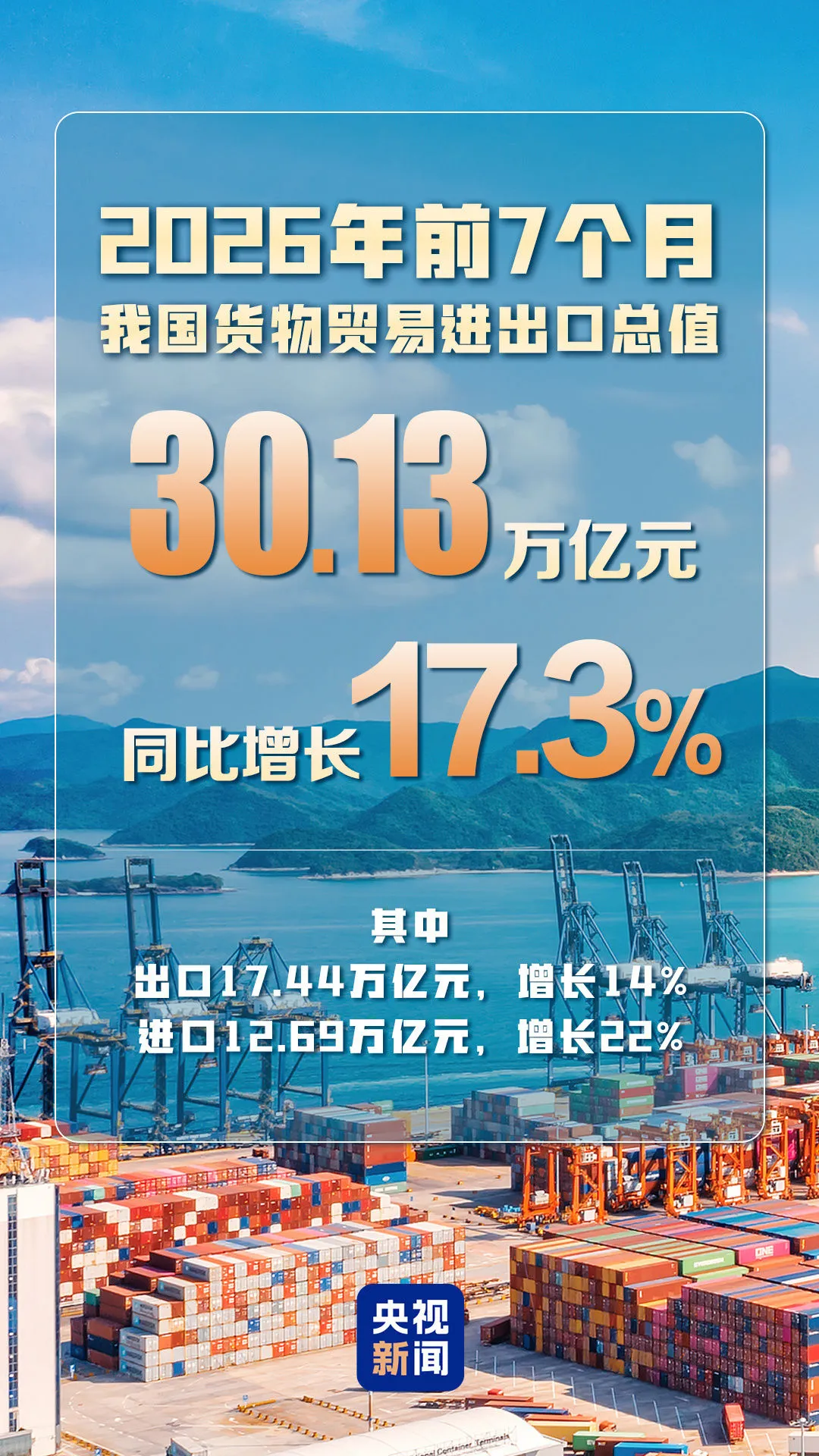
Official data released on August 7 shows that in the first seven months of this year, China’s total goods imports and exports reached RMB 30.13 trillion, up 17.3% year on year. Of this, exports rose 14% and imports rose 22%. Notably, in July alone, high-tech product exports grew by more than 50%, contributing nearly 60% of the month’s export increment.
Reuters and other foreign media noted that against rising protectionism and a slowdown in global trade growth, “China’s trade data beat expectations” and “showed resilience,” particularly with “a standout performance in frontier fields such as artificial intelligence.”
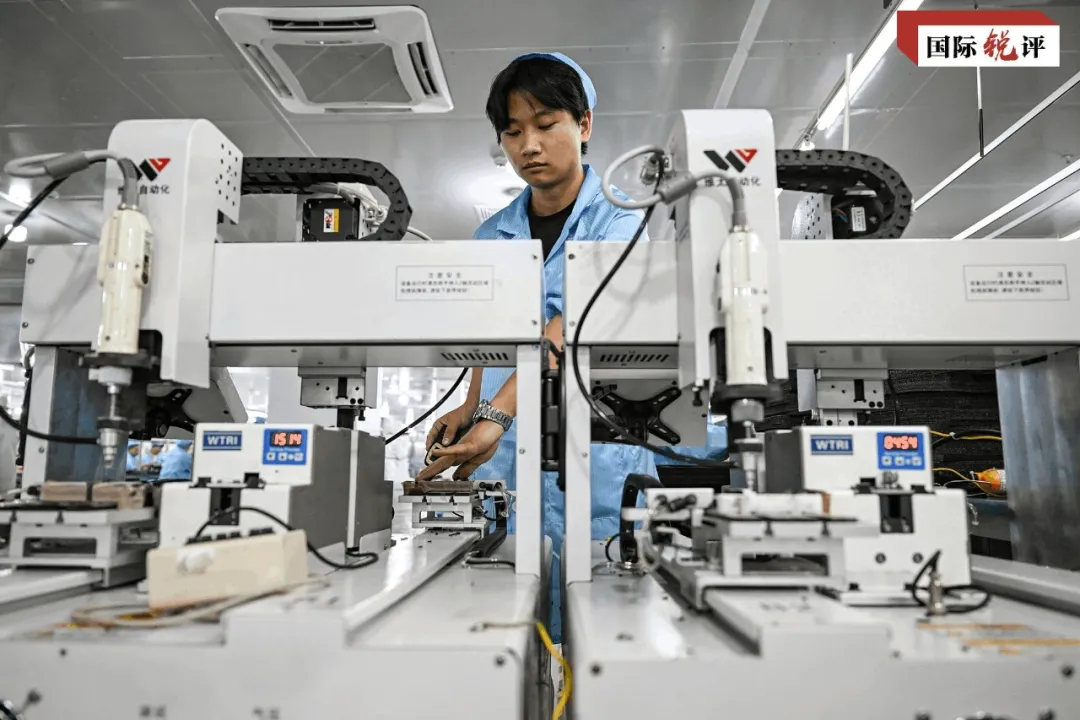
How has China’s foreign trade managed to push forward under pressure and deliver such a strong result? Wang Xiaosong, professor at Renmin University of China, told International Sharp Comment that China’s most complete industrial system in the world enables effective supply and large-scale imports, laying the foundation for trade development. At the same time, the advantages of China’s ultra-large market, innovation-driven momentum, and the dividends of wider opening-up policies keep releasing synergies that jointly propel trade growth.
Beyond steady scale expansion with accelerating momentum, the trade structure is also shifting “toward the new and the green.” In the first seven months, exports of green and low-carbon products such as electric vehicles, lithium batteries, and wind turbine sets rose 71.2%, 35.8%, and 34.8% respectively; exports of emerging-category products such as 3D printers and industrial robots increased 1.1-fold and 13.2% respectively.
High-end manufactured goods are becoming a new engine pulling China’s export growth. Worth mentioning: amid frequent global heatwaves, combined exports of air conditioners, electric fans, and refrigerators from January to June reached RMB 107.91 billion, sending “Chinese-style coolness” to consumers worldwide and proving how “Made in China” and “Intelligent Manufacturing in China” benefit the world.
Multinationals are among the beneficiaries. He Jun, Executive President for North Asia at German industrial valve and pump maker KSB, told International Sharp Comment that a predictive-maintenance software based on digitalization and AI, independently developed by the company’s China team, not only won acclaim in the Chinese market but was also reverse-exported to its German headquarters—evidence that China is becoming a “global source of innovation.”
China does not only wish to be the “world’s factory” but also the “world’s market.” In the first seven months, China’s import growth outpaced export growth by 8 percentage points, continuously releasing more “market dividends” through balanced trade development. For China, expanding imports of quality products and services helps upgrade industries, improve consumption, and better meet people’s needs for a better life; for trading partners, it means orders, jobs, and development opportunities from the Chinese market. China currently applies zero-tariff policies to 63 countries and has ranked second globally in import volume for 17 consecutive years. Since the start of the year, “Export to China” dedicated events have been held in Belarus, Germany, the UK, Thailand and other countries, opening more channels for quality foreign products to enter China. The U.S.-based Eurasia Review argued that “rising Chinese imports underpin the future of world trade,” and that China will achieve win-win cooperation with its trading partners.
More importantly, amid multiple shocks from global energy shortages and severely disrupted supply chains, China’s stable production capacity supplies the world with precious certainty, and its circle of trade partners keeps widening. In the first seven months, trade with over 180 countries and regions grew. Trade with ASEAN and Africa rose nearly 20%, and trade with the United States recorded four consecutive months of growth—cooperation is more diversified and stable. George Chang (Gu Yushao), Global Senior Vice President and President of Medtronic Greater China, said the unique strengths of China’s supply chain are a key reason for the company’s deep commitment to China; its annual procurement in China is about RMB 6 billion, 90% of which is directly sourced to serve the global supply chain.
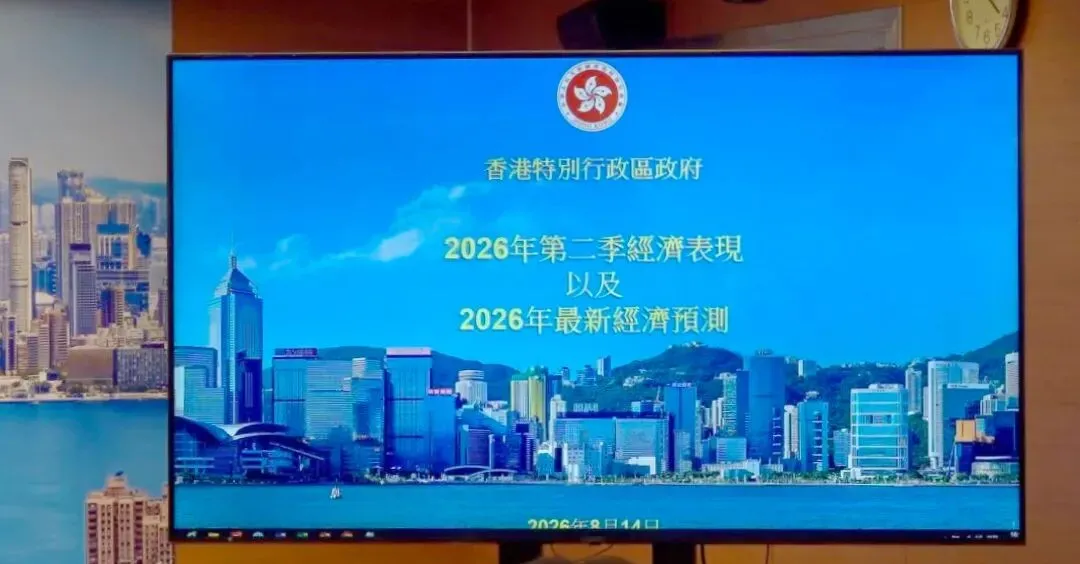
Foreign trade is a barometer of economic vitality. Through the first-seven-month scorecard, the world sees more clearly that China’s economic momentum is turning toward the new, its structure toward the better, and the fundamentals of long-term sound growth remain unchanged. Recently, the IMF, Deutsche Bank and other institutions raised their 2026 China GDP growth forecasts; multiple international polls show rising favorable impressions and stronger recognition of China among global publics; in the first half of this year, nearly 4,800 foreign-invested enterprises increased their investment in China, casting a vote of confidence with real money.
Next month, the 2026 China International Fair for Trade in Services (CIFTIS) and the China International Fair for Investment and Trade (CIFIT) will be held in succession; in November, the 9th China International Import Expo (CIIE) will open as scheduled, with over 1,200 enterprises already signed up to exhibit. “China Opportunity 2.0” is continuously releasing dividends, bearing witness that “to walk with China is to walk with opportunity.”
At ports and terminals across China, a familiar scene o…
News
GBAIEA
 2025-12-30
 2025-11-21
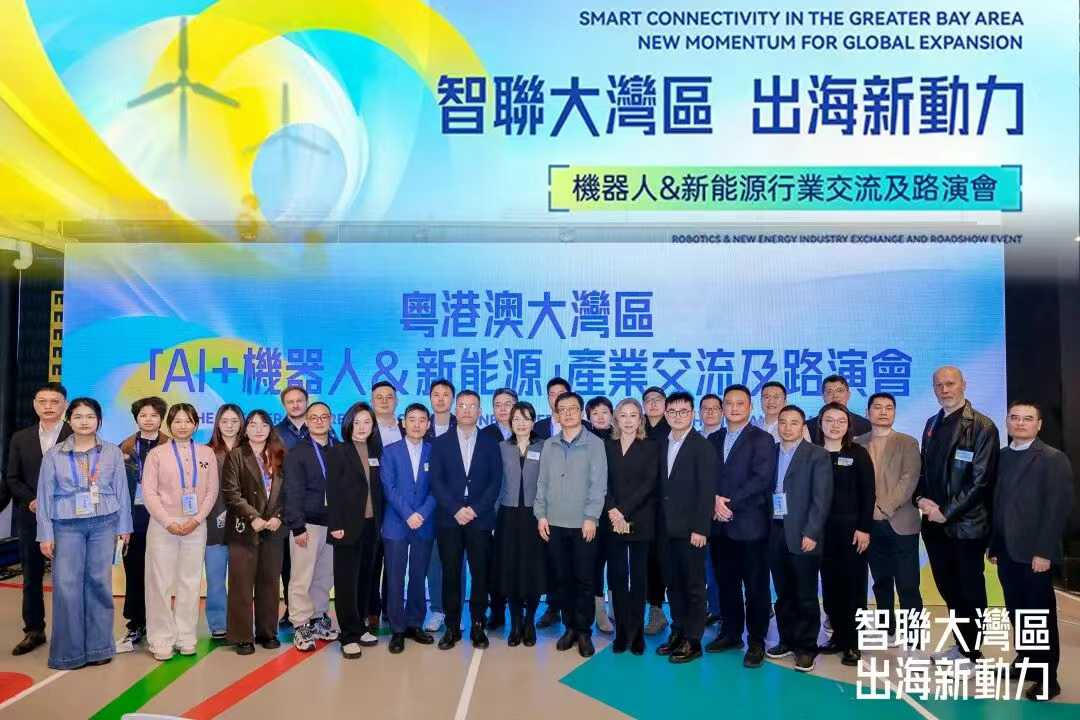
11月20日,大湾区进出口商业总会联合华润创业建设投资有限公司主办,广东省商务厅驻香港经济贸易代表处协办,广东…